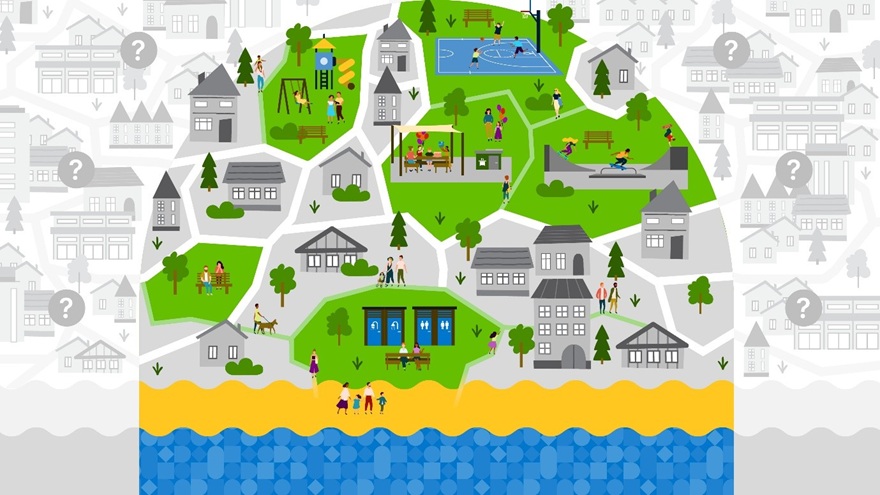
What is the project?
We're updating our policies related to the range of outdoor open space experiences we provide within the city. This includes the Open Space Level of Service, Active Reserves Level of Service, and Public Toilet Location Level of Service policies. These policies help set a benchmark for:
- How much open space (like parks, sports fields, and reserves) should be available across the city and how close these need to be to where you live.
- What features these spaces should include (like playgrounds, trees, shade, and toilets).
This benchmark guides:
- The Council when making decisions on improving or changing existing open spaces or acquiring new ones.
- What open space must be included when new areas are developed (as part of the City Plan) - either by council or developers through agreements with the council.
- The long-term direction for open space provision across Tauranga. Improvements will be prioritised and delivered over time as funding and opportunities allow.
Draft Open Space Provision Policy (533kb pdf)
Why are we doing it?
It has been over a decade since the last substantive review of our open space, public toilet location, and active reserve levels of service policies. Tauranga has grown significantly since these policies were last reviewed. More people are living in existing neighbourhoods, new communities are developing, and demand for parks, sports fields and recreation spaces is changing. We need an updated approach to make sure we are planning the right types of open space, in the right places, for both existing and future communities. Open spaces contribute to community wellbeing, recreation, biodiversity, climate resilience and connection to nature. They help make Tauranga a great place to live, work and play.
What the draft policy covers
The draft policy focuses on the experiences people can have in open spaces, while also addressing the amount of land that should be provided to support those experiences.
It sets standards for access to a range of outdoor open space experiences, including:
Play, active recreation and sport
Opportunities to:
- play at neighbourhood, suburban and destination playgrounds
- enjoy natural playgrounds
- kick a ball and run around.
- walk and cycle on off-road paths
- skate, scoot and ride
- play basketball
- access water-based recreation
- exercise dogs off leash
- participate in outdoor organised sport.
Nature and the environment
Opportunities to:
- spend time in nature
- access ecological and biodiversity areas
- enjoy larger natural spaces
- benefit from more trees, shade and greener neighbourhoods.
Social and cultural experiences
Opportunities to:
- meet and connect with others
- enjoy picnic areas and BBQ facilities
- attend community events
- gather in spaces suitable for groups
- learn about the culture, history and stories of a place
- access fruit trees in public spaces.
As we finalise the approach, the exact distances may be adjusted slightly to ensure they are achievable, for example a short walk may be between 800m and 1200m / 10-15 minute walk, and a longer walk may be between 1.6km and 2km / 20-25 minute walk).
What the draft policy does not cover
It does not:
- make decisions about specific parks, reserves or projects
- commit funding or determine when improvements will be delivered - these decisions are made through Council's Long-term Plan and Annual Plan processes
- review other Council documents that guide how our open spaces are used and cared for, such as the Tauranga Reserves Management Plan and the Use of Council Land Policy.
What would change?
The draft policy sets out:
- the types of open space experiences we will plan for
- how close these experiences should be to where people live
- standards for designing open spaces
- guidance for acquiring land for future parks and reserves
- a framework for providing open space in new areas of housing (greenfield areas), higher density housing areas, and existing neighbourhoods.
The draft policy also places greater emphasis on:
- accessibility and inclusion
- connected open space networks
- climate resilience and environmental outcomes
- multi-use parks and facilities
- planning for future growth.
Supporting growing communities and providing for established communities
The draft policy will help make sure parks and open spaces are planned alongside new areas of housing (greenfield areas) as Tauranga grows.
In established parts of the city, Council will work over time to improve access to open space experiences by upgrading existing parks, improving facilities, acquiring land where needed and appropriate, and potentially partnering with schools, iwi, trusts and other organisations.
Where traditional approaches are not possible, Council may also look at alternative ways to provide similar benefits and experiences for the community. This flexible approach will help create a connected network of open spaces that supports the needs of current and future residents.
Accessible for everyone
We want our open space network to be welcoming and accessible for people of all ages and abilities The draft policy supports universal design principles and encourages safe, accessible connections to parks through walking, cycling and transport networks.